
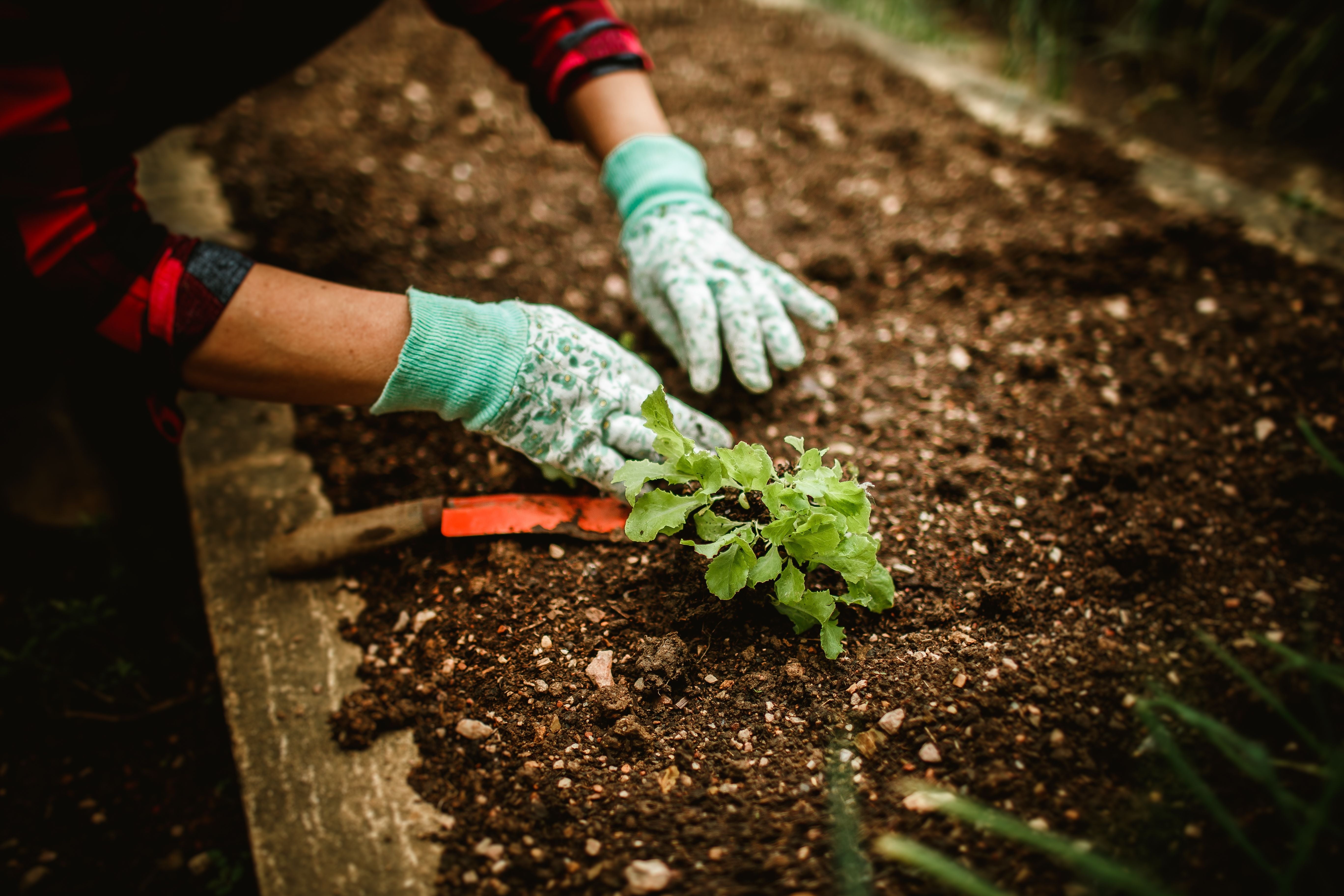
Gardening has a funny reputation. For years it’s been filed under ‘things people suddenly get into once they retire’. But the truth is, gardening isn’t just for those who have waved goodbye to the 9 to 5, allotment warriors, or people who own suspiciously large sun hats. It’s for anyone who wants to feel that little bit calmer, that little bit happier, and a lot more like a functioning human being. And honestly, in the current climate, who doesn’t want that?!
Once you get past the mud, slugs, and existential dread of accidentally killing a supermarket basil plant, gardening can quickly turn out to be one of the most powerful, affordable, and genuinely enjoyable ways to boost your mental health.
And it’s not just your nan who thinks so. Wellbeing experts the world over have been shouting about the benefits of gardening for years. In fact, BBC Gardeners’ World Magazine summed it up perfectly when one of their contributors said, “Gardening is cheaper than therapy and you get tomatoes.”
So let’s dig (pun intended) a little deeper and start with stress - that low‑level hum most of us carry around like an unwanted handbag. A recent study published in the Journal of Public Health found that people who garden regularly report significantly lower levels of stress and fatigue. Meanwhile, Country Living magazine wrote that ‘just 20 minutes in the garden can lift your mood more effectively than a brisk walk,’ which is excellent news for anyone who prefers pottering to power‑walking.
There’s something about being outside, hands in soil, doing something simple and physical, that helps the brain switch gears. It’s grounding in the most literal sense. You can’t doom‑scroll while planting sweet peas. You can’t catastrophise about work emails while trying to rescue a drooping hydrangea. Gardening forces you into the present moment, and that’s exactly where your nervous system wants you to be.
Then there’s the joy factor. And yes, joy is a legitimate wellbeing metric. The English Garden magazine described gardening as ‘a slow, steady source of happiness that grows quietly in the background of your life.’ And it’s true. Watching something you planted actually grow feels like a tiny miracle every time. Even if it’s just a single, slightly wonky courgette.
And if you’re someone who struggles with motivation or low mood, gardening offers something incredibly valuable: visible progress. Plants don’t care about your to‑do list, your inbox, or your five‑year plan. They grow because you watered them. They thrive because you showed up. That’s a powerful feedback loop, and one that psychologists say can help rebuild confidence and a sense of agency.
It’s also worth mentioning the physical side of things. Gardening is sneaky exercise. You don’t realise you’ve been moving for an hour until you stand up and your knees make a noise like a haunted house. But the gentle movement of bending, stretching, lifting and wandering around looking for the secateurs you definitely had five minutes ago, boosts endorphins and reduces cortisol. Woman & Home magazine even called gardening ‘the most joyful workout you’ll ever do,’ which feels like enough to spur us on.
And then there’s the social element. Gardening can be wonderfully solitary, but it can also be a gateway to community. Allotments, local gardening clubs, seed swaps and plant fairs are full of people who will happily talk to you for 45 minutes about compost ratios. The Guardian’s lifestyle section once described allotments as ‘the last great British social leveller,’ and honestly, they’re not wrong. Everyone’s equal when a fox has just run off with your gloves.
But perhaps the most underrated benefit of gardening is the sense of calm it creates. Not the spa‑day, scented‑candle kind of calm, but the deeper, more satisfying kind that comes from doing something meaningful and slow. Gardens Illustrated put it beautifully: ‘Gardening teaches patience in a world that rewards urgency.’ And if there’s one thing most of us need, it’s a break from urgency.
So if you’ve been feeling frazzled, foggy, or just a bit disconnected from yourself, consider giving gardening a go. Start small. A pot of herbs on the windowsill. A tomato plant on the balcony. A raised bed if you’re feeling ambitious. You don’t need a sprawling country garden or a greenhouse that looks like it belongs to Monty Don. You just need a patch of earth, or even a pot, and a willingness to get your hands a bit dirty.
Because gardening isn’t really about plants. It’s about you. It’s about creating space, slowing down, and reconnecting with something simple and real. And if you happen to end up with home‑grown strawberries or a smug sense of achievement along the way, well, that’s just a bonus.
Partager:
How To Create The Perfect Screen-Free Weekend (Adults Edition)
Beyond Suncream: Summer Essentials You Didn’t Know You Needed